Burning Smell From a Power Point in Maitland
A burning or hot-plastic smell in your Maitland home means something is overheating right now. Electrician Maitland offers same-day response, backed by Lic #451348C and 300+ five-star reviews, and if it sparks, shorts, flickers or fails, we can fix it.
What That Burning Smell Really Is
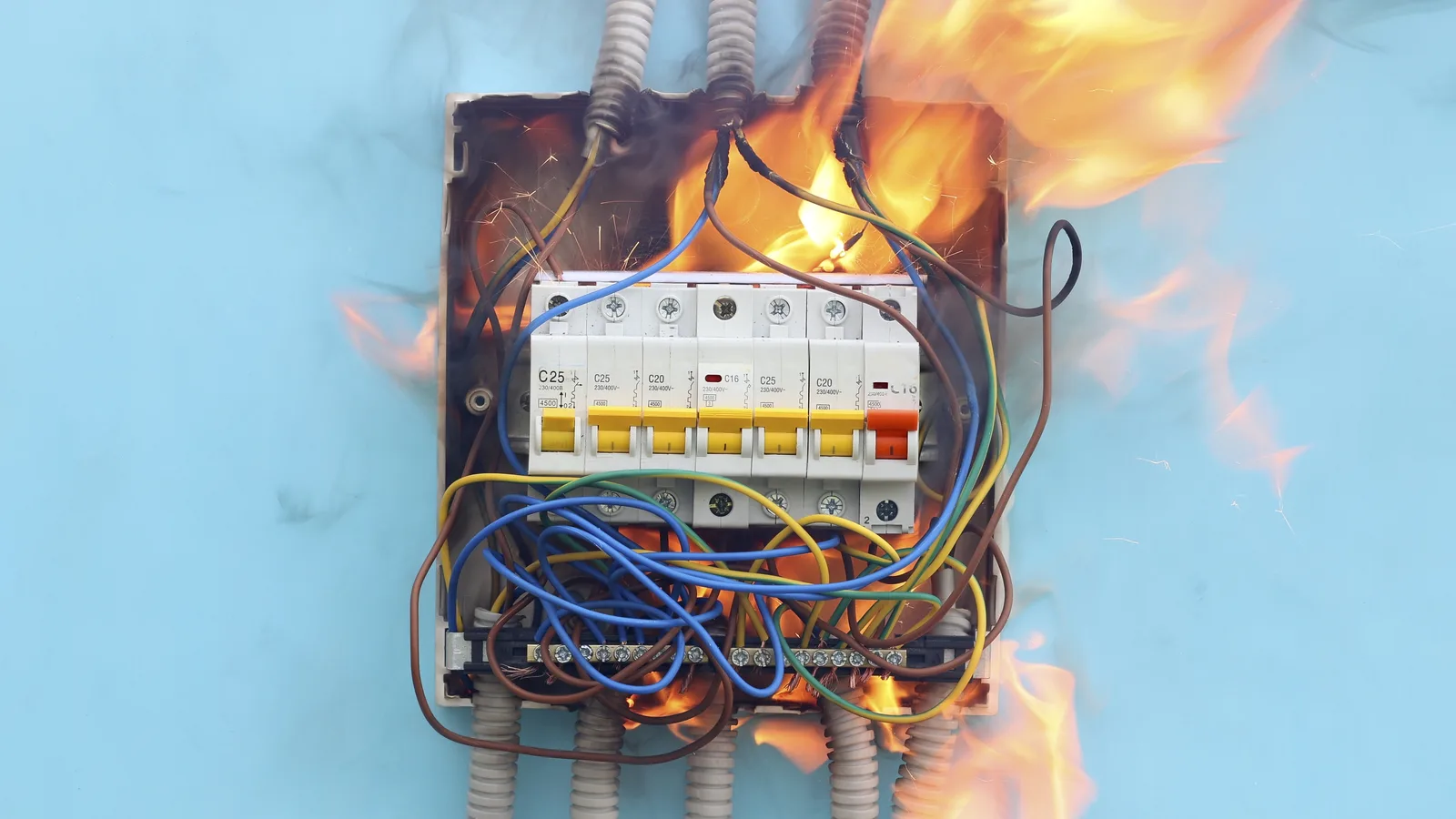
A hot-plastic or fishy odour with no obvious source usually means wiring, a connection, or a power point is overheating or arcing under load. It is one of the more serious signs a home electrical system can give, and under AS/NZS 3000 it warrants checking the same day.
Common Causes of an Electrical Burning Smell
An overloaded power point
Double adapters and power boards stacked into a single point can draw more current than the wiring is rated for, generating heat at the terminals until the smell becomes noticeable.
A loose or arcing connection
A screw terminal that has worked loose inside a point, switch, or the switchboard itself can arc every time current flows, producing a scorched or burning smell.
A failing appliance
Worn internal wiring or a failing motor inside an appliance can overheat at the plug or point it is connected to, even though the point itself was never faulty.
An ageing switchboard
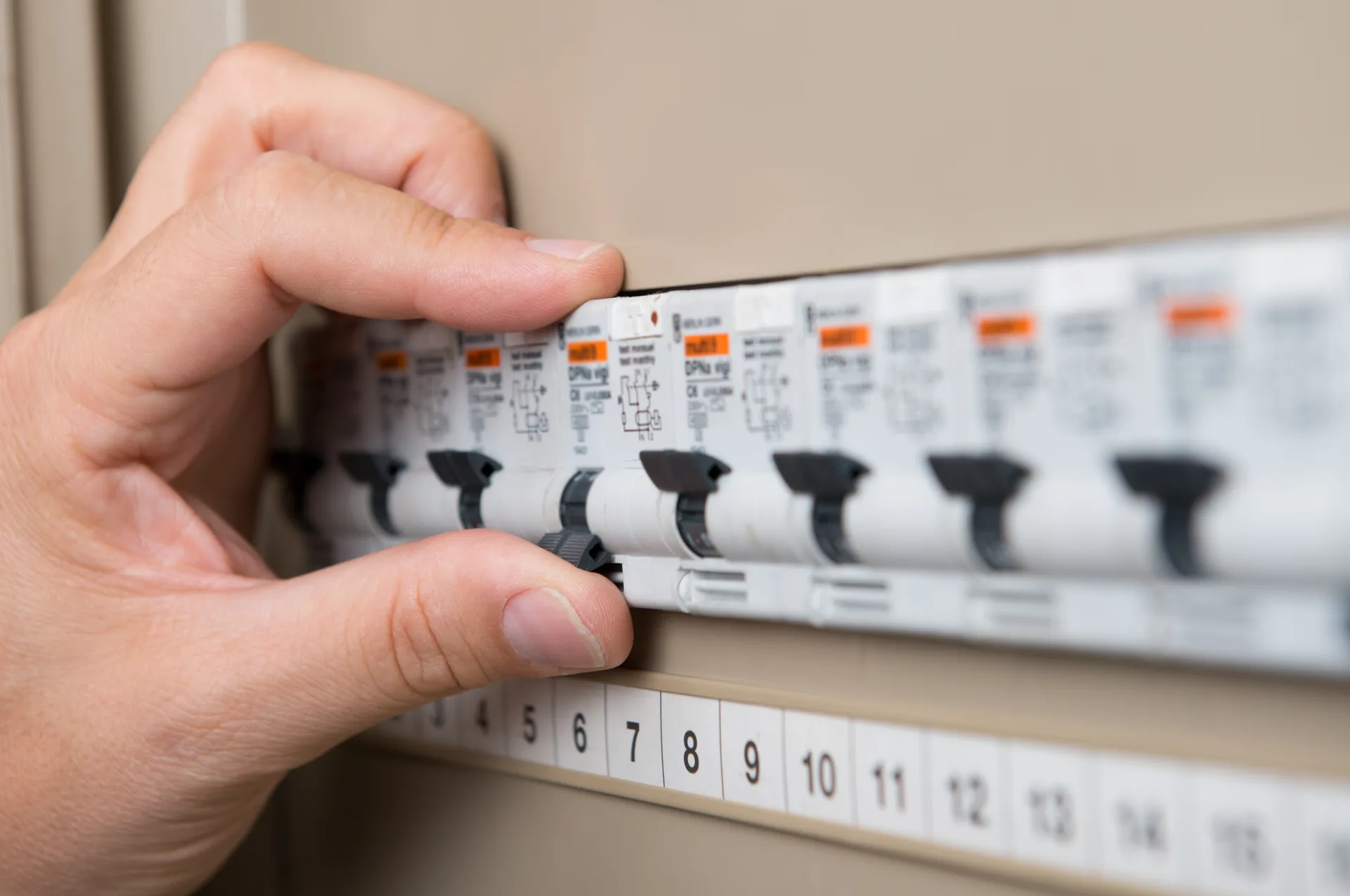
Much of central Maitland's housing dates from the pre-1940 and mid-century era, so original ceramic-fuse boards are still common, and these run hotter and fault more often than a modern board.
Is an Electrical Burning Smell Dangerous?
Yes. A burning or hot-plastic smell is one of the few electrical faults you should never ignore, because it means active overheating that can progress to a fire if the circuit is left running.
- Treat any burning, hot-plastic, or fishy smell as urgent, not something to monitor overnight
- Warmth around a point or switch alongside the smell confirms active overheating at that location
- A smell with no obvious source can point to a fault inside the wall or switchboard itself
What To Do Right Now
Do only what is safe. These are containment steps, not repairs, while you wait for a licensed electrician:
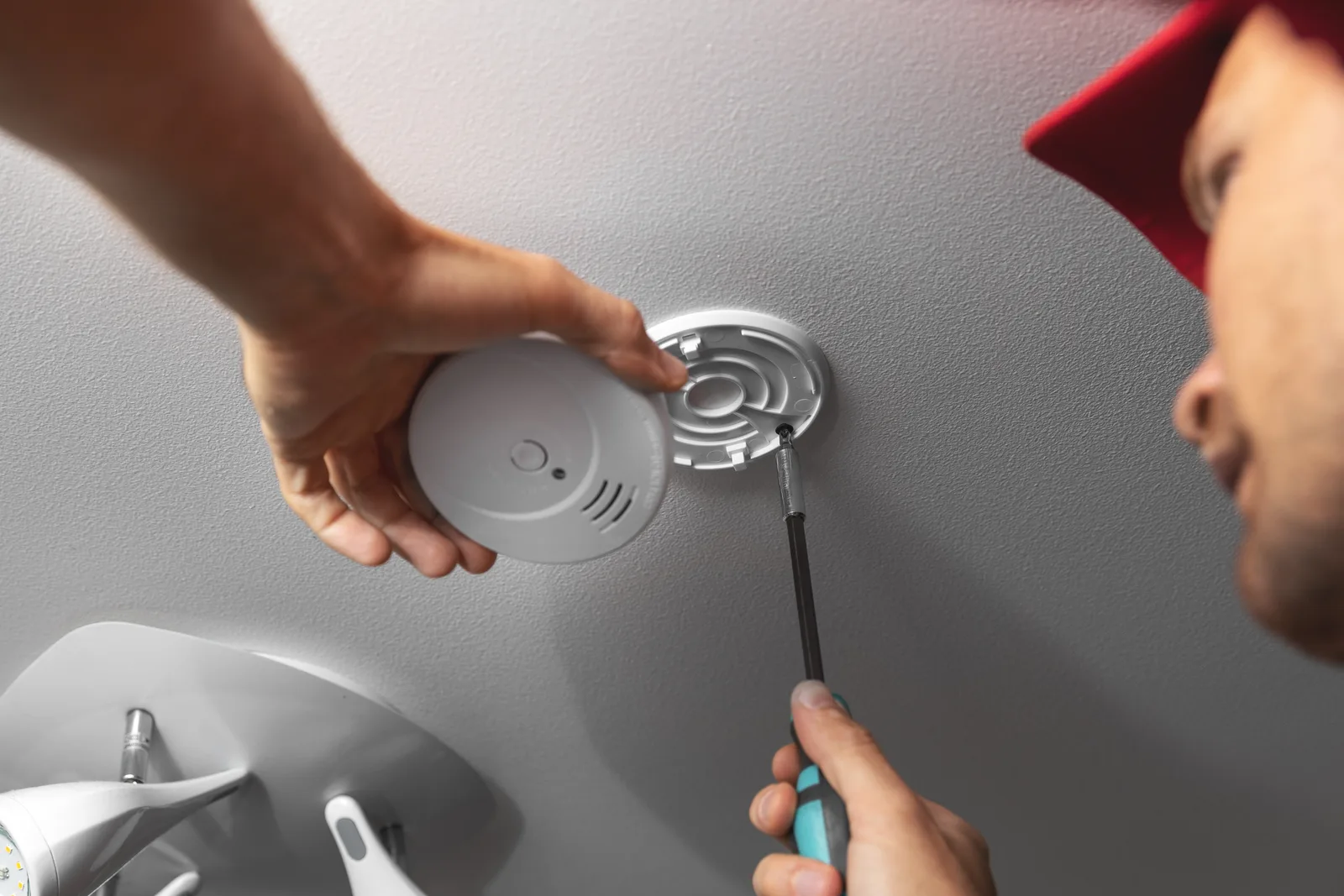
- Switch off the affected circuit or the main switch at the switchboard.
- Unplug any appliance on the point where you noticed the smell.
- Do not use that point or circuit again until it has been checked.
- Do not open the switchboard or investigate the wiring yourself.
- Call a licensed electrician (Lic #451348C) straight away.

When To Call an Electrician for a Burning Smell in Maitland
- The smell returns after the circuit is switched back on
- You notice warmth, discolouration, or a buzzing sound near a point or switch
- The smell has no obvious source, such as burnt food or a candle
- Your switchboard still uses original ceramic or rewireable fuses
- The smell came from the meter box rather than a power point or switch
Any of these at your Maitland property is a job for a licensed electrician, not a wait-and-see approach. We respond same-day and 24/7 for emergencies, with $0 call-out and free quotes. See our electrical repairs and switchboard upgrades.
How We Find and Fix a Burning Smell in Maitland
Locating the Source
We isolate circuits and inspect points, switches and the switchboard systematically to pinpoint exactly where the overheating is happening before touching anything further.
Upfront Quote
Once we have found the fault, we explain it in plain English and provide a fixed, upfront quote, so you know the full cost before any repair work begins.
The Repair
We repair or replace the affected point, connection, or circuit, and if the fault traces back to an undersized or ageing board, we recommend a switchboard upgrade.
Safety Check
Every job finishes with a full safety check of the affected circuit and surrounding wiring, confirming everything meets AS/NZS 3000 before we leave.
Why This Is Common in Older Maitland Homes
Central Maitland's Victorian-era and mid-century housing on the Hunter River floodplain often carries original ceramic-fuse boards, which overheat more readily, a pattern also seen in nearby Rutherford.
Burning Smells and Related Electrical Faults Across Maitland
A burning smell often shows up alongside a burnt outlet or a noisy breaker box. We fix all three across Maitland, Rutherford, Aberglasslyn, and the wider Hunter Valley region.
If the smell or scorching is coming from the meter box itself rather than a power point, that points to a Level 2 fault in the service mains or metering connection, work only a Level 2 ASP accredited electrician can legally carry out.
Burning Smell or Burnt Outlet in Maitland? Call Now
Call (02) 4072 9917 for a same-day licensed electrician. We offer $0 call-out, free quotes, and fixed upfront pricing, backed by Lic #451348C and 300+ five-star reviews. If it sparks, shorts, flickers or fails, we can fix it.
Common questions
Frequently Asked Questions
Straight answers to the questions Maitland homeowners ask most when they notice a burning smell in their house or from a power point.
Is a burning smell from a power point dangerous?
Yes, a burning or hot-plastic smell from a power point is one of the few electrical faults you should never ignore, since it usually means active overheating or arcing.
What causes an electrical burning smell in the house?
Overloaded points, loose or arcing connections, failing appliances, and ageing wiring behind an original switchboard are the most common causes we find in Maitland homes.
What should I do if I smell burning from a power point?
Switch off the affected circuit or the main switch at the switchboard, unplug anything on that point, and call a licensed electrician straight away.
Should I turn the power off if I smell burning?
Yes, switching off the circuit or main switch is the safest immediate step, and you should leave it off until a licensed electrician has checked the fault.
How much does it cost to fix a burning-smell fault?
We provide a fixed, upfront quote before any work starts, with a $0 call-out fee and a free quote, so you know the price before we begin.
Are ageing switchboards a common cause of burning smells in older Maitland homes?
Yes, many central Maitland properties from the pre-war and mid-century era still run original ceramic-fuse boards, which are more prone to overheating faults.