Burnt Power Point in Maitland
A scorched, discoloured, or warm power point at your Maitland home is a genuine fire risk. Electrician Maitland gets it checked the same day, backed by Lic #451348C and 300+ five-star reviews, and if it sparks, shorts, flickers or fails, we can fix it.
What a Burnt Power Point Really Means
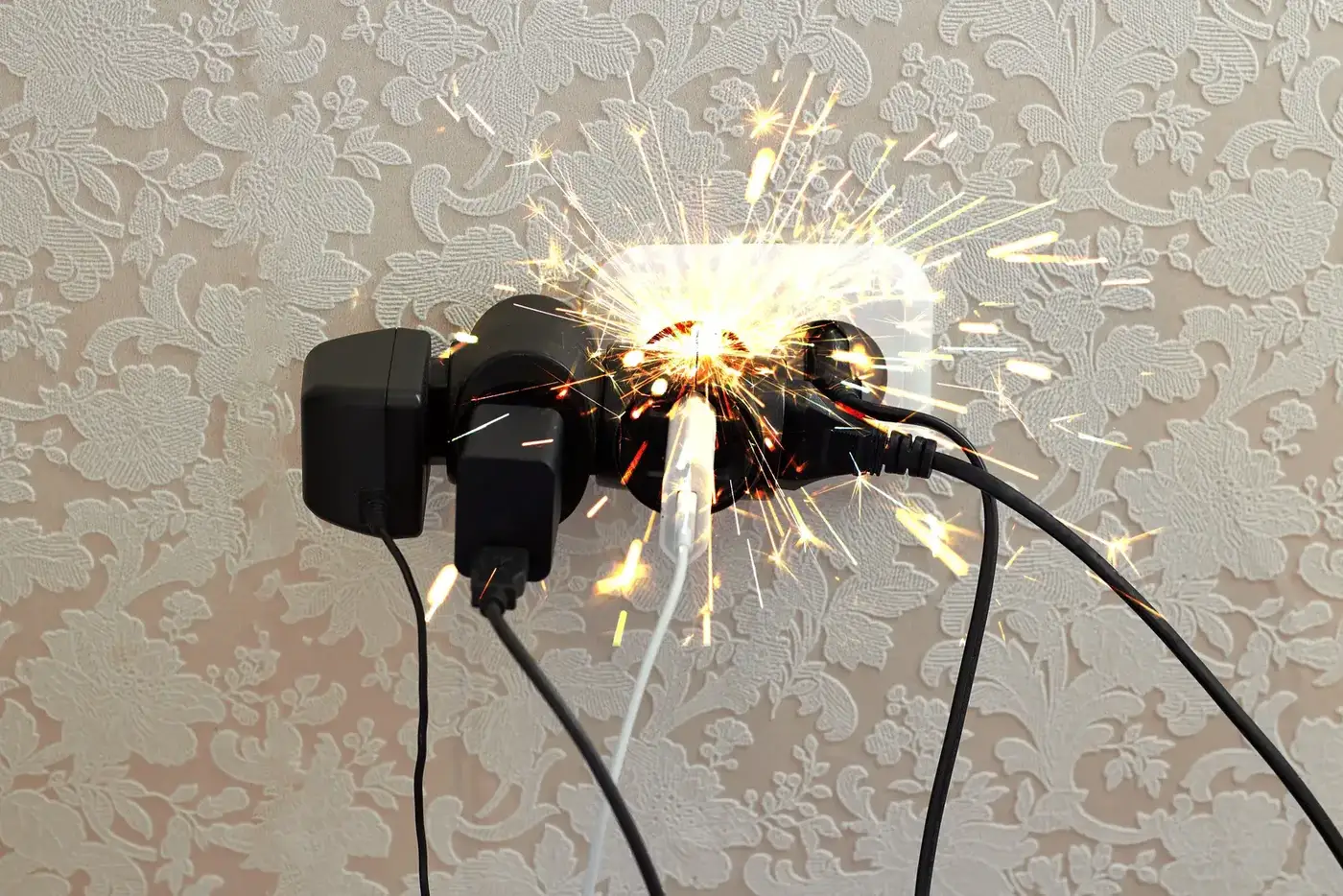
Scorch marks, discolouration, or a warm faceplate mean active heat damage inside the point, usually from a loose connection, arcing, or overload. Under AS/NZS 3000 a burnt point is treated as an urgent fault, not something to keep using while you wait.
Common Causes of a Burnt Power Point
Loose wiring at the terminals
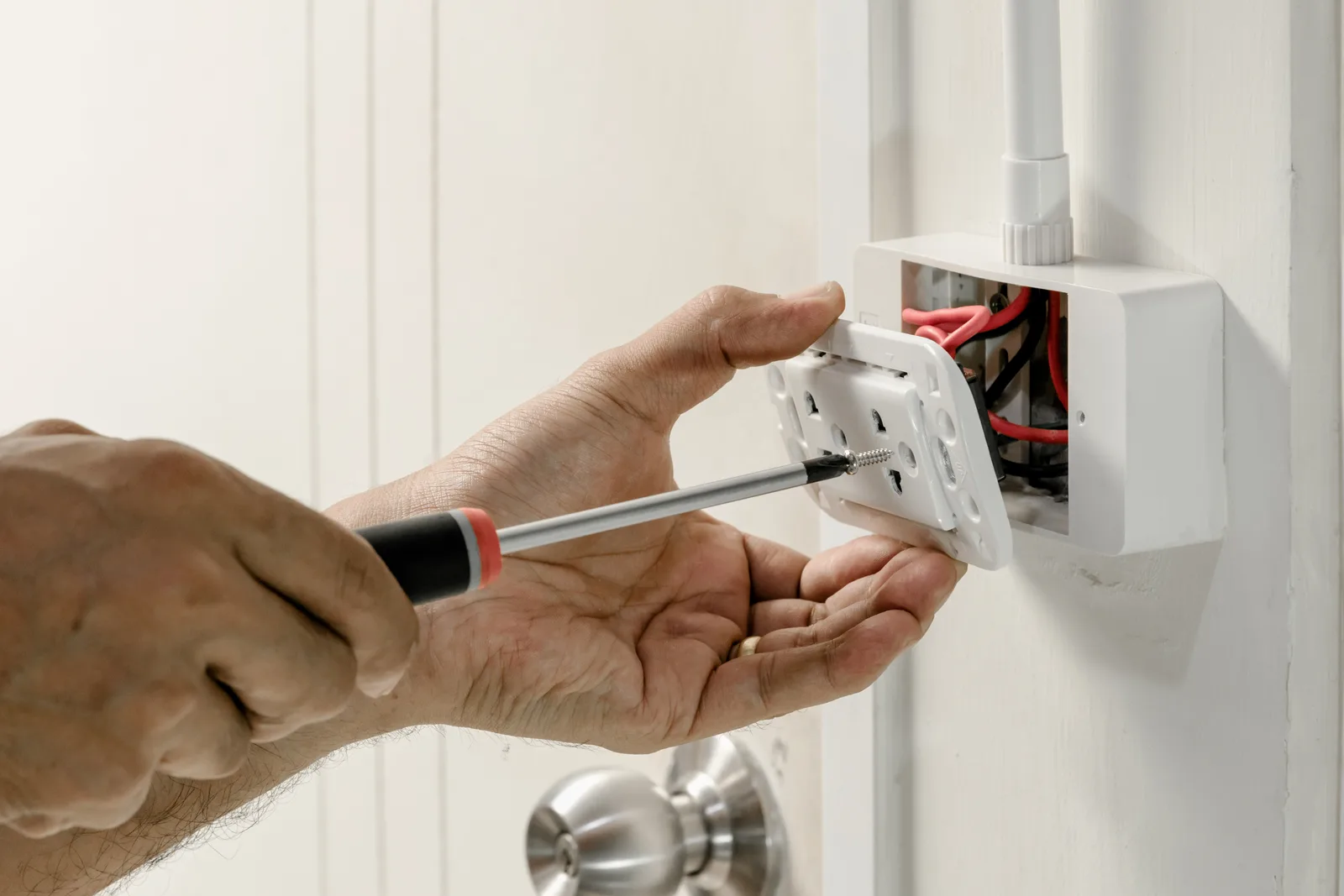
The most common cause. A connection that has worked loose behind the faceplate generates heat every time current flows, gradually scorching the point from the inside.
Arcing at the connection
A tiny gap in a loose or corroded connection can arc under load, producing intense localised heat that discolours or melts the plastic faceplate quickly.
An overloaded point
Double adapters and power boards drawing more current than a single point is rated for generate heat at the terminals, eventually leaving visible scorch marks.
Ageing wiring behind an old switchboard
Central Maitland's pre-war and mid-century homes often still run original wiring and points never designed for today's appliance load, increasing the risk of overheating.
A worn or damaged plug
A frayed cord or a plug with bent, loose, or corroded pins can make poor contact inside the point, generating localised heat at the exact spot it is plugged in.
Is a Burnt Power Point Dangerous?
Yes. A scorched, discoloured, or warm power point is one of the few electrical faults you should never ignore, because it is already showing signs of heat damage that can progress to a fire.
- Treat any scorching, discolouration, or warmth on a point as urgent, not cosmetic
- Do not plug anything into a point that shows burn marks or a burning smell
- A point that has already scorched once can fail again if the underlying fault is not repaired
What To Do Right Now
Do only what is safe. These are containment steps, not repairs, while you wait for a licensed electrician:
- Stop using the burnt or discoloured power point immediately.
- Unplug anything currently connected to that point.
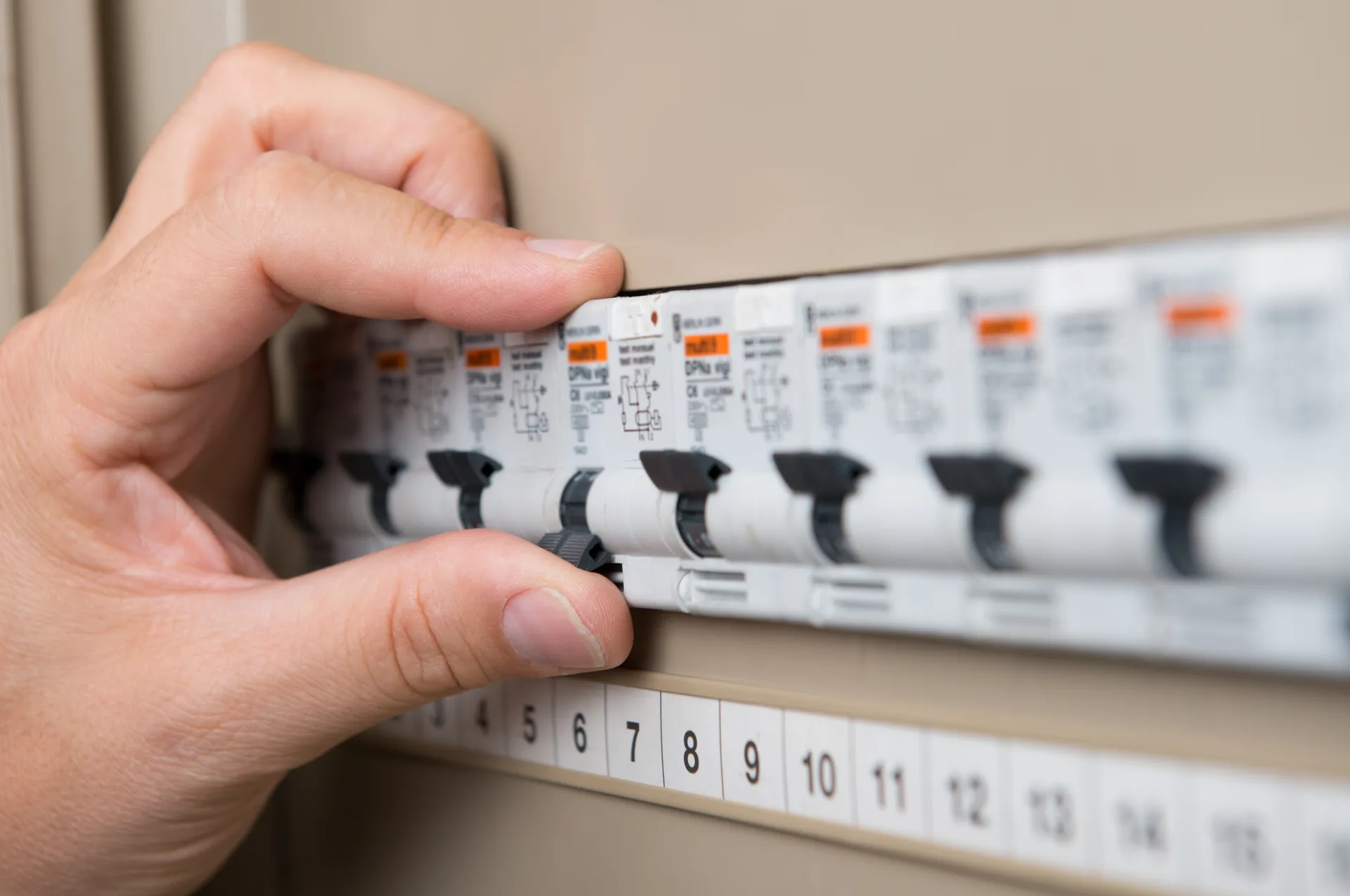
- Switch off the circuit at the switchboard if it is safe to reach.
- Do not attempt to remove the faceplate or investigate the wiring yourself.
- Call a licensed electrician (Lic #451348C) to inspect and repair it.
When To Call an Electrician for a Burnt Power Point in Maitland
- You notice scorch marks, discolouration, or melted plastic on a point
- The point feels warm to touch even when nothing is plugged in
- There is a burning smell coming from that point or nearby
- More than one point in the same room shows signs of heat damage
- Your switchboard still uses old ceramic or rewireable fuses
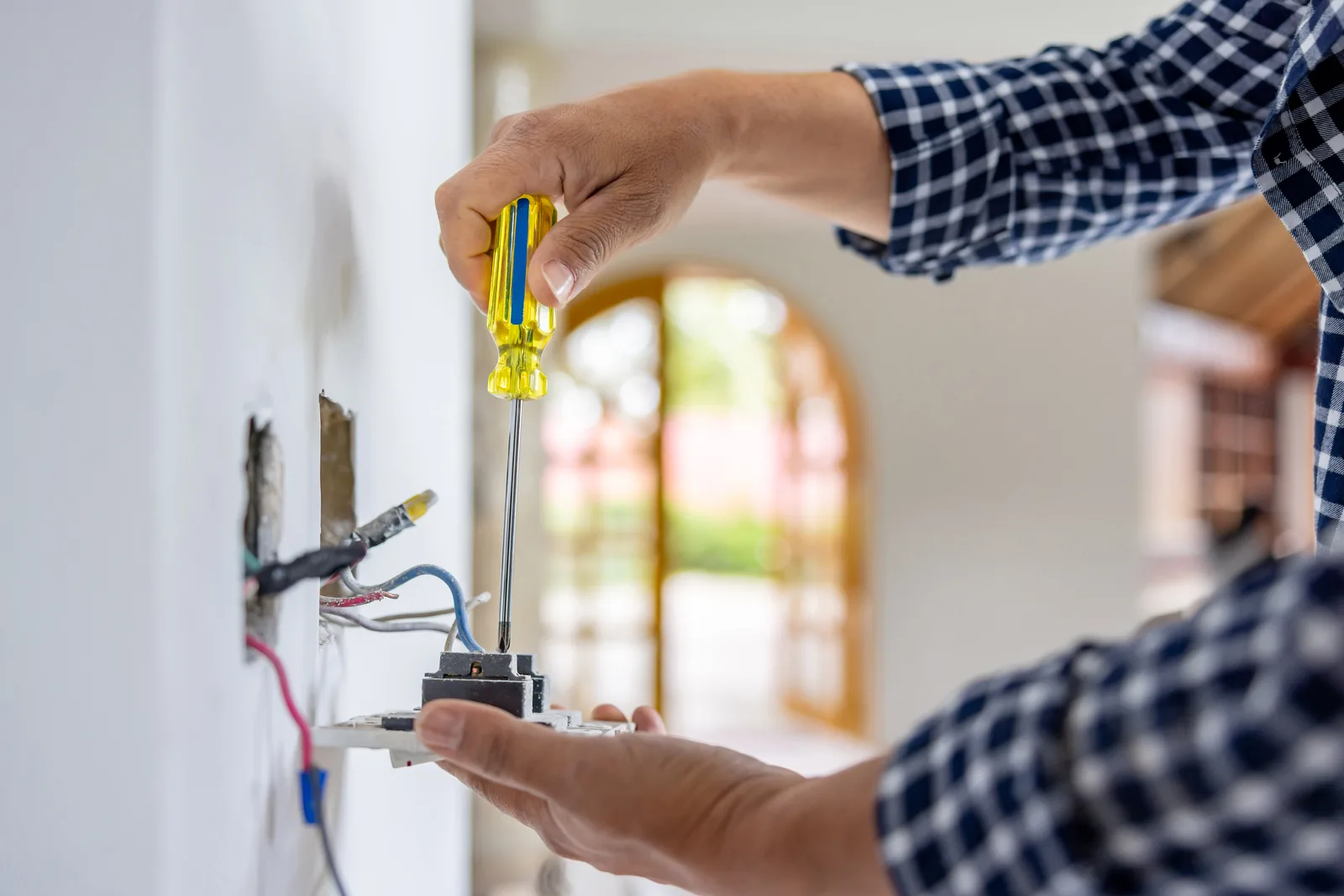
Any of these at your Maitland property is a job for a licensed electrician, not a wait-and-see approach. We respond same-day and 24/7 for emergencies, with $0 call-out and free quotes. See our electrical repairs and power points.
How it works
How We Fix a Burnt Power Point in Maitland
We never simply swap the faceplate and move on, since a scorched point is a symptom, and the underlying connection or circuit needs to be confirmed safe before it goes back into use.
Fault Finding
We isolate the circuit and inspect the point, wiring, and connections to confirm exactly what caused the heat damage before touching anything further.
Upfront Quote
Once we have found the fault, we explain it in plain English and provide a fixed, upfront quote before any repair or replacement work begins.
The Repair
We replace the damaged point and repair the underlying connection, and if the circuit is overloaded, we recommend additional power points to spread the load.
Testing & Safety Check
Every repaired point and circuit is tested against AS/NZS 3000 wiring rules before we leave, confirming the fault is fixed and the point is safe to use.
Why This Is Common in Older Maitland Homes
Central Maitland's Victorian-era and mid-century housing on the Hunter River floodplain often carries original points and wiring never sized for modern appliance load, a pattern also seen in nearby Telarah.
Burnt Power Points and Related Electrical Faults Across Maitland
A burnt power point often shows up alongside a burning smell or overloaded power points. We fix all three across Maitland, Telarah, Rutherford, and the wider Hunter Valley region.
Burnt Power Point in Maitland? Call Now
Call (02) 4072 9917 for a same-day licensed electrician. We offer $0 call-out, free quotes, and fixed upfront pricing, backed by Lic #451348C and 300+ five-star reviews. If it sparks, shorts, flickers or fails, we can fix it.
Common questions
Frequently Asked Questions
Straight answers to the questions Maitland homeowners ask most when they find a burnt or scorched power point.
Is a burnt or scorched power point dangerous?
Yes, a scorched, discoloured, or warm power point is a genuine fire risk and one of the few electrical faults you should never ignore or keep using.
What causes a power point to burn or scorch?
Loose wiring at the terminals, arcing, an overloaded point carrying too many appliances, or general ageing behind an old switchboard are the most common causes.
What should I do if I find a burnt power point?
Stop using the point immediately, switch off the circuit at the switchboard if it is safe to reach, and call a licensed electrician straight away.
Can I keep using a power point that looks slightly discoloured?
No, any discolouration, scorching, or warmth means active heat damage, and the point should be switched off and checked before it is used again.
How much does it cost to fix a burnt power point?
We provide a fixed, upfront quote before any work starts, with a $0 call-out fee and a free quote, so you know the price before we begin.
Are burnt power points a common issue in older Maitland homes?
Yes, central Maitland's pre-war and mid-century housing stock often has original points and wiring never designed for today's appliance load, which increases the risk.